
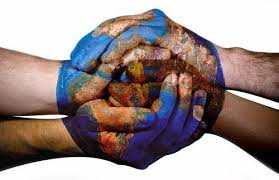
diversity
What is Culture?
“Culture is your family history.” ~Maxie Kessler, my mother.
“Culture is beliefs and or articles of importance, religious, traditional, or spirituality of a person or persona in a designated group.” ~Matt Faul, my husband.
“Culture is who you are, where you come from, and the values you hold.” ~Lindsey Tyrell, my co-worker.
What is Diversity?
“Diversity is the differences in your background because not everyone is the same.” ~Maxie Kessler, my mother.
“Diversity is the collection of beliefs and values of a community of a larger group of people across many cultures.” ~Matt Faul, my husband.
“Diversity is not setting us apart from others. Not in a bad way, per say just different. Who we are and where we come from sets us apart from other teachers and how they teach.” ~Lindsey Tyrell, my co-worker.
How does this relate to readings?
The aspects of culture and diversity that I have studied in this course are included in the answers I received—and some examples are, when Gonzalez says that life is influenced by, race, gender, age, abilities, disabilities, language, social class, social status, ethnicity and national origin, religion and or spiritual practice, location of growing up, and sexual orientation (Gonzalez, 2008). Aside from sexuality, the answers touched on all of these.
The aspects that have been omitted are sexuality and ability and disability. I believe if I had asked someone with a disability their answer would be different, only because of their own personal experience.
The ways that thinking about other people’s definitions of culture and diversity influenced my own thinking about these topics are knowing and understanding that there are so many different answers to this question. There are educated answers, uneducated answers, age differences, and background differences that make everyone’s view on these questions completely different. Remembering this when communicating with others is important because every person has a different perspective.
References:
Gonzalez-Mena, J. (2008). DIversity in early care and education, (5th ed., pp8-13). Boston MA: McGraw Hill.


Allison Giles
Thanks for sharing Jenn. I thought it was interesting to get others perspectives on culture and diversity. I think our responses are pretty similar, and that most people understand what each word means. I think what differs fall in their importance to everyone, not just people that someone assumes is different. I agree with you that everyones perspective is shaped by their own experiences, which makes it kind of neat to see everyones understanding of the words and how similar people think about them.
Thanks for sharing!
-Allison Giles
Paola Pared
Jenn,
Thanks for sharing your family’s perspective on culture and diversity. As we have learned through our coursework the ways many different people defined culture and diversity but there are so many similarities instead of differences in these definitions. Some of our customs are different but that what makes this so unique. Keep up the good work, looking forward to reading more posts.
Paola
Alvia Underwood
Jenn, thank you for sharing your definitions. I think it is interesting and amazing that different people have different definitions of what culture and diversity are. I believe that each of these definitions is correct but more than anything, I believe that respect and sensitivity to other’s cultures and ethnicities is the most important aspect of co-existing.
Alvia